One brand, two marketplaces: selling on Amazon.ca and Amazon.com
One Amazon account covers the US and Canada. Stock, prices in CAD, French rules and some reports do not. What US brands miss on Amazon.ca.
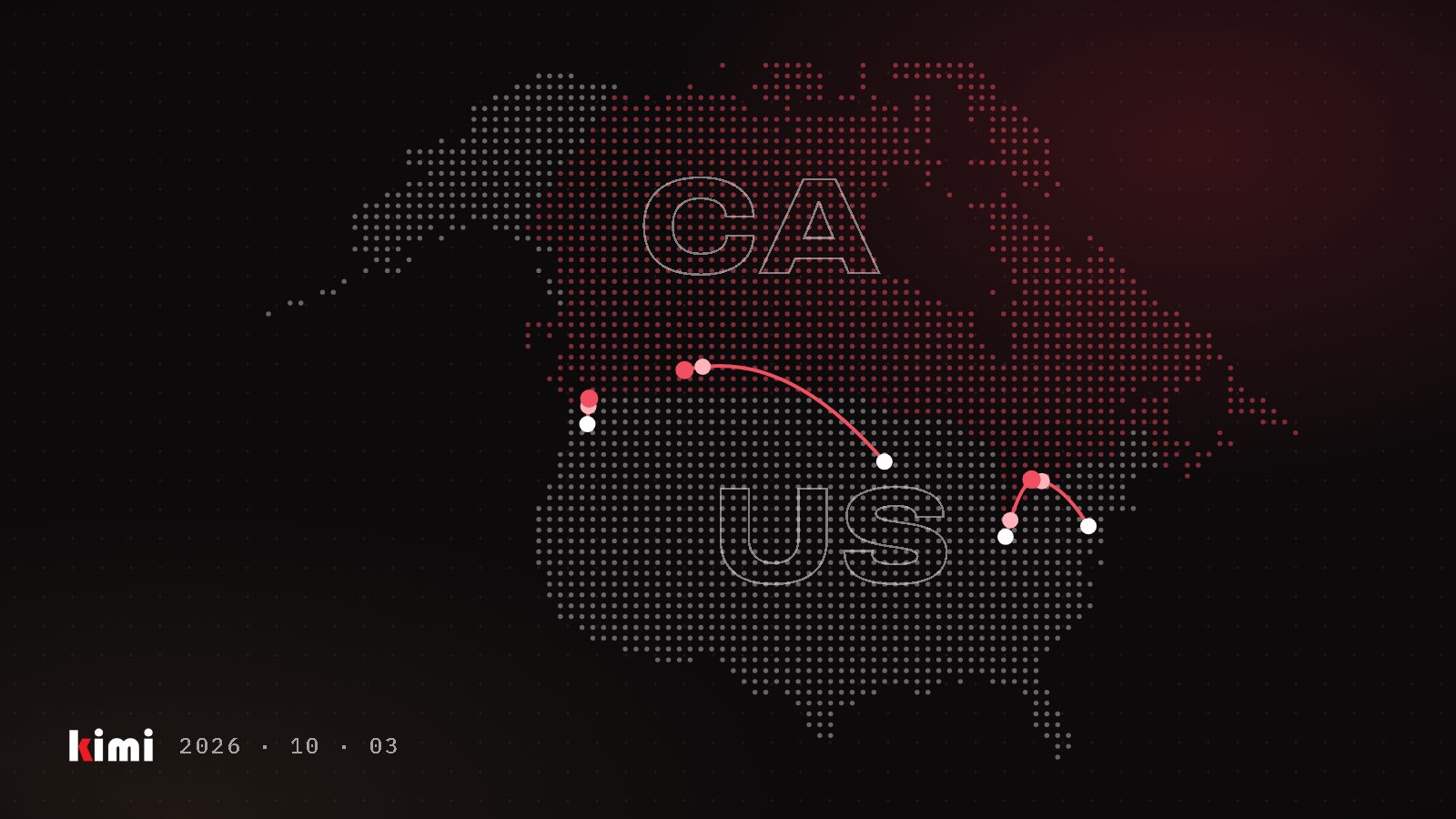
If you sell on Amazon.com, you already hold most of what you need to sell on Amazon.ca. Same account, same login, same listing tools. That is exactly why so many US brands assume Canada takes care of itself. The account is shared. The stock, the prices, the language rules and some of the reports are separate, and the gaps between them are where Canadian sales quietly go to someone else.
One account, several stores
A US Professional seller account is a North America unified account. From one Seller Central login you switch between Amazon.com, Amazon.ca, Amazon.com.mx and Amazon.com.br, share listing information across them, and follow orders in one combined report. Amazon's announcement lists those features, and Amazon's guide to selling in Canada confirms the USD 39.99 monthly Professional plan covers Canada too.
Amazon's Build International Listings tool copies your US offers to Amazon.ca and keeps the Canadian price in step with the US one, according to rules you set. It is the fastest way to get listed. Read the rule before you switch it on, because it decides your Canadian price every time the exchange rate moves.
What is shared and what is separate
- Shared: the account, the login, account health and the tools you use to create listings.
- Separate catalogue. Each store has its own detail pages. In our experience the same product can carry a different ASIN (Amazon's product ID) or a different variation family in Canada, so match products across countries by your own SKU.
- Separate price and currency. Amazon.ca sells in Canadian dollars, and the referral fee is charged by the store where the sale happens.
- Separate inventory. FBA (Fulfillment by Amazon, where Amazon stores, ships and handles returns) runs a Canadian network. To sell from it, your stock crosses the border and clears Canadian customs. The importer has to register with the CBSA's CARM system, declare the goods and pay duties and taxes.
- Separate content, with one surprise. A+ content (the designed brand section below the bullets) is managed per store. We've seen an A+ page published in the US copied by Amazon onto the same products in Canada within minutes, but only where the Canadian page had none. A placeholder on the Canadian side blocked the copy. Check what Canadian shoppers actually see.
There is a shortcut for the stock problem. Remote Fulfillment with FBA lets US-based sellers fill Amazon.ca orders from US fulfilment centres. The shopper is the importer of record and pays the duties and taxes, and restricted and dangerous goods are excluded. It is a sensible way to test Canadian demand. In our experience, a product that sells every day in Canada does better from Canadian stock.
French: packaging first, then the listing
Canada has two layers of language rules, and both apply to the product you ship. This is a summary, so get a regulatory review for your category before you print.
- Federal. On prepackaged non-food consumer products, the product identity and the net quantity must appear in English and French. The dealer's name and address can be in either language. Source: the Competition Bureau.
- Quebec. Under the Charter of the French language, information on a product, its packaging and the documents that come with it must be in French. Another language can appear, as long as it doesn't prevail over the French. Since June 1, 2025, the generic or descriptive words inside a trademark, such as an ingredient, a scent or a colour, must also appear in French. Products made before that date get a transition period to June 1, 2027. Source: the OQLF.
The listing is the second layer. Amazon.ca shoppers can browse in English or French. In our experience, machine-translated French reads as foreign to a Quebec shopper, and listing images that show packaging should show the French panel too.
Why so many US brands are missing in Canada
Search Amazon.ca for a category you know well, then run the same search on Amazon.com. You'll often find well-known US brands that are simply absent in Canada, or present only through a reseller the brand never chose, with old images, a US-only label and a Canadian price nobody set on purpose.
In our experience the reason is rarely demand. Canada needs separate stock, a customs import, bilingual packaging and someone who watches a second set of prices and reports. For a busy US team that is a second job for a market that looks small, so it waits. Meanwhile resellers buy the product in the US, bring it north and take the Canadian page.
The reports don't always split the countries
Because the account is shared, some of the data is too. We've pulled inventory reports for Amazon.ca that still included rows from US warehouses. Read unfiltered, a Canadian stockout looked like healthy stock, the kind of reading that gets a needed purchase order cancelled. Some inventory views can't separate the two countries at all. If you run both stores, filter every inventory and sales number by country before you act on it.
Canada is the closest second market a US brand will ever have: same account, same tools, one border away. It still has to be run on purpose. If nobody on your side owns it, a reseller will.
Sources
- How to sell on Amazon Canada
- Remote Fulfillment with FBA
- Amazon.ca Help: Change your language preference
- Competition Bureau Canada: what must be on the label (prepackaged non-food consumer products)
- OQLF: marques de commerce sur les produits
- CBSA: step-by-step guide to importing commercial goods into Canada