The low-inventory-level fee: how to keep it off your fulfillment bill
Amazon adds a surcharge per unit when FBA stock runs thin. How the fee works on Amazon.com and Amazon.ca in 2026, and where it hides on your bill.
Selling out feels like a good problem. On Amazon it can cost you twice: once in lost sales, and again in a surcharge on every unit you ship while stock is thin. Amazon calls it the low-inventory-level fee. It never arrives as an invoice, so most brand owners we talk to have never measured it.
What the fee is and when it applies
With FBA (Fulfillment by Amazon), Amazon charges a fulfillment fee on every unit it picks, packs and ships for you. Since April 2024, it adds a surcharge to that fee when a product's stock is low compared with its sales. The measure is historical days of supply: the average number of units you had in Amazon's warehouses each day, divided by the average number shipped each day.
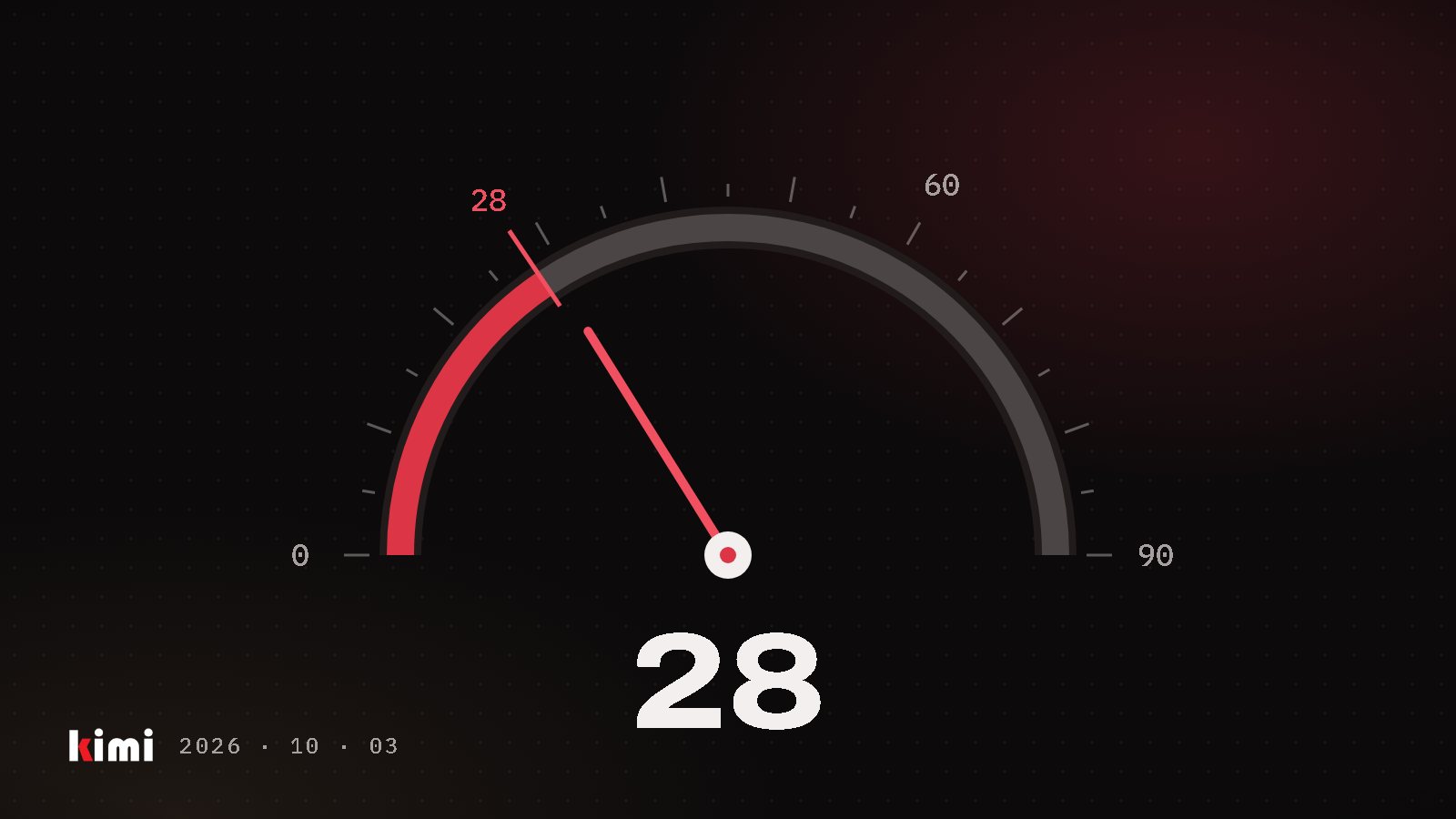
Amazon calculates it over two windows, the last 30 days and the last 90 days. The fee applies only when both are under 28 days. The rate depends on size, weight and the greater of the two numbers, in three bands: under 14 days, 14 to 21, and 21 to 28. The metric is calculated per FNSKU, the barcode Amazon gives each seller's version of a product, and refreshed weekly.
Two details catch people. Units still on their way into Amazon don't count, according to the Amazon.com fee page. Neither does stock in your own warehouse. A full truck at the receiving dock does nothing for the number until it is checked in.
Where Amazon.com and Amazon.ca differ
The mechanics match. The details around them don't. Here is how the two help pages read on October 3, 2026:
- Which products. On Amazon.com the fee covers standard-size products and, since January 15, 2026, Small and Large Bulky. On Amazon.ca it covers envelope and standard-size products.
- Rates. Amazon.com: US$0.32 to US$2.09 per unit. Amazon.ca: CA$0.43 to CA$2.09 per unit.
- Low-volume exemption. Amazon.com skips products that sold fewer than 20 units in the past 7 days. Amazon.ca uses fewer than 10.
- Category exemptions. Amazon.com exempts Grocery. Amazon.ca exempts meltable and renewed products, and is temporarily waiving the fee on dangerous goods.
- In both stores, new Professional sellers are exempt for 365 days after their first inventory is received, and new-to-FBA parent products for 180 days if they are enrolled in FBA New Selection.
- Amazon.com only: a SKU is exempt when 70% or more of it was auto-replenished into FBA through Amazon Warehousing and Distribution (AWD) over the prior 90 days.
Both stores also credit the fee back when Amazon, or a carrier it manages, causes an excessive inbound delay, as long as your shipment was ready for pickup on time or carried accurate tracking. And each store counts only its own warehouses: stock in the US does nothing for your Canadian number.
Why you can't see it on your bill
Amazon says it adds the fee to the FBA fulfillment fee. In practice, that is where it hides. When we went through months of settlement reports, the file Amazon issues with every payout, there was no line called low inventory anywhere. The surcharge sat inside the per-unit fulfillment fee. Searching for it by name returns nothing, which looks like good news and isn't.
There are three ways to see it. Amazon's SKU Economics report has a low-inventory-level fee column. The fee explainer on any order in Transaction View shows whether it was charged. And for a full history, we compare each SKU's per-unit fulfillment fee against its base fee: the difference is the surcharge.
For the week ahead, the FBA inventory planning report states per SKU whether the fee is charged this week and whether the SKU is exempt. In our experience that report covers Amazon.ca as well as Amazon.com. We read it daily, because the fee switches back on. A SKU that dropped out after a restock can be charged again a few weeks later if the next shipment runs late, since both windows keep rolling.
How to stay above 28 days
The low-inventory-level fee is small per unit and large in total, because it lands on your best sellers at their busiest moment. Measure it per SKU, plan restocks around Amazon's 28-day line instead of your sell-out date, and check it in both stores.