Shipping to FBA from Canada: what changes for your cartons
Amazon.ca and Amazon.com set different box limits, and the US leg adds customs. How to pack and paper Canadian product for FBA in both countries.
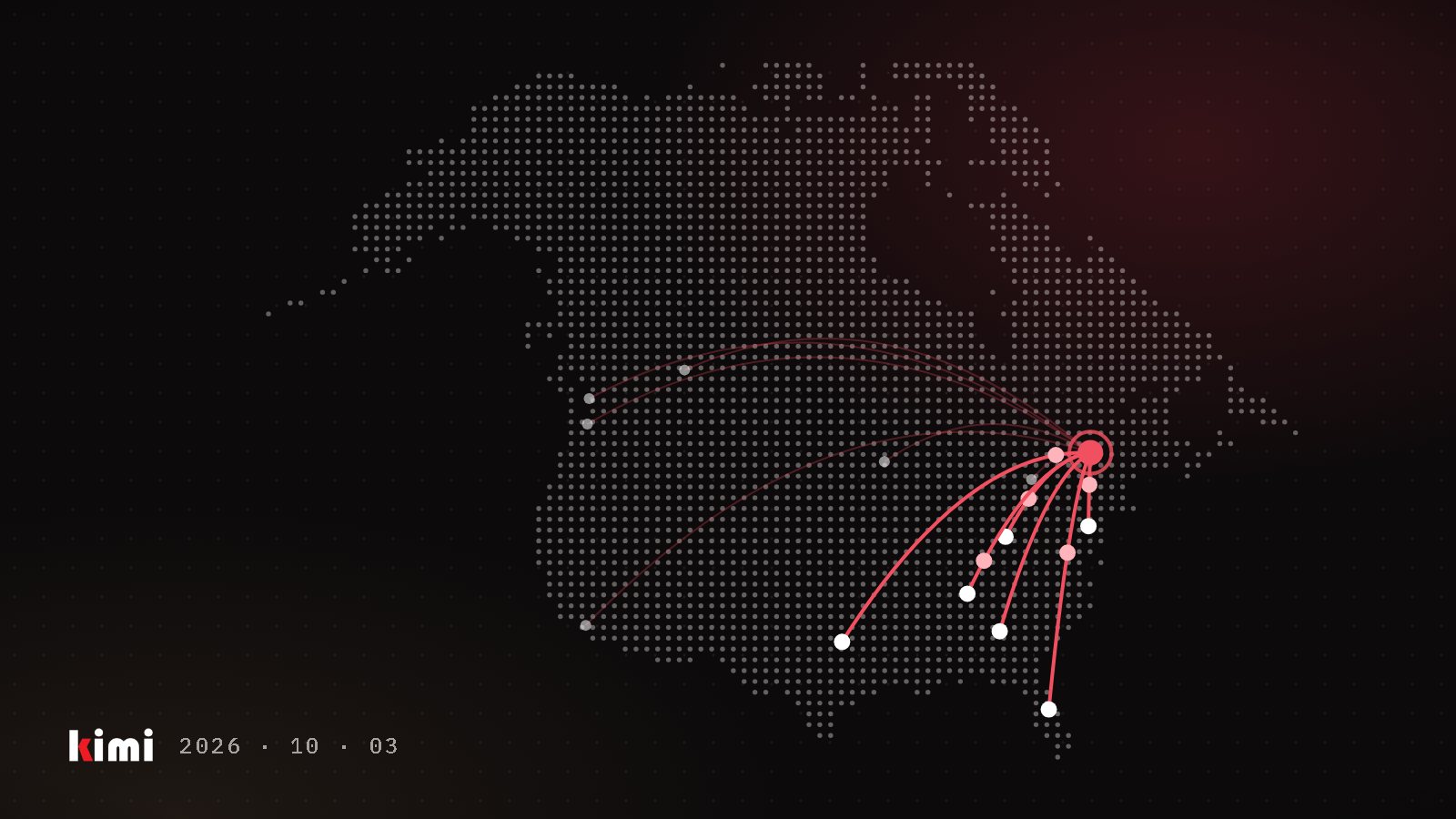
If your product is made or warehoused in Canada, you can sell it through FBA in two countries from the same stock. The cartons can be identical. The rules they have to meet are different, and a box built for one store can be refused by the other. The paperwork for the US leg also has to be settled before the truck leaves your dock.
Start with the case pack
FBA (Fulfillment by Amazon) defines a case pack as a box where every unit has the same SKU and condition, packed together by the manufacturer, with the same quantity in every box of that product and no more than 150 units. At receiving, Amazon scans one unit and shelves the box. A manufacturer's case also skips the cushioning Amazon otherwise wants around each item: 2 inches on Amazon.com, 5 cm on Amazon.ca.
Our rule is simple: one FBA box is one whole supplier case, with the same units and the same count it arrived with. We never re-pack or re-count into different boxes. The box count falls straight out of the supplier's case count, the dimensions and weight are already known, and the shipment plan always matches the pallet. One trap: if your supplier ships master cartons holding several inner packs, Amazon says the master carton is not a case pack. Split it at the inner pack.
Box limits differ by store
- Amazon.ca: no side over 63.5 cm and no more than 22.5 kg, unless the box holds a single oversize item.
- Amazon.com: up to 36 inches long and 25 inches wide and high, with a standard limit of 50 lb.
Weight is close to equal. Length is the trap. As an illustration, a 30-inch (76 cm) case fits a US fulfillment center and breaks the Canadian limit. Check your supplier's case dimensions against both stores before you commit to a pack size, and remember that both stores require accurate box weights and dimensions on every shipment.
Labels, prep and the carrier
Every box needs its own FBA box ID label, on top of any carrier label, in both stores. Each label belongs to one box, so never reuse one. If you reuse cartons, remove or black out old barcodes.
Prep is now your job in both countries. Amazon stopped prep and item labelling for FBA shipments in the US on January 1, 2026, and in Canada on July 1, 2026. In Canada, units that arrive without proper prep or labels are still processed but aren't eligible for reimbursement if they're damaged or can't be traced. Unit labels changed too: since March 31, 2026, any seller without the Brand Representative role in Brand Registry must put an Amazon barcode on every unit, per Amazon's barcode FAQ. Label the units and reseal the same case.
On Amazon.ca, the partnered carrier for small parcels is UPS, billed to your seller account, for deliveries within Canada. One lesson from printing those labels: the file holds two pages per box, the FBA box label and the UPS label, and both go on the box. The UPS page is an image with no text, so a print setting that skips blank-looking pages can drop it. Match labels to boxes by the number Amazon prints ("Box 5 of 14"), never by page order or your supplier's numbering.
Crossing into the US
Sending Canadian stock to US FBA adds a customs leg. At a high level:
- Someone must be the importer of record. Amazon's import rules say it will not act as importer of record for any FBA shipment, of any size or value, and will not act as importer or consignee for other agencies such as the FDA. A non-resident importer, such as your Canadian company, can enter goods into the US. Your customs broker sets that up.
- Duties paid. Shipments must travel Delivered Duty Paid. A delivery with collect charges for duties, taxes or freight is refused.
- Origin. If your goods qualify under CUSMA (USMCA in the US), a certification of origin supports the claim. US Customs needs nine data elements and no set form. The importer, exporter or producer can complete it.
- The Canadian side. Goods exported for consumption in the US generally need no Canadian export declaration. Shipments to other countries do, through the CBSA's CERS system, once their value reaches CAD 2,000, and they must be reported before they leave, per the CBSA exporters' guide. Goods transiting the US in bond need one too.
Amazon's partnered rates cover deliveries within Canada for Amazon.ca, and within the 48 contiguous states for Amazon.com, so the border leg is yours to book. What we do: clear the goods into the US first, then create the FBA shipment from a US address.
A Canadian lesson we paid for: brands that have only ever exported to the US have never needed an export declaration, so the first shipment to the UK or Europe is where it bites. Ours was held at the gateway until the declaration was filed.
Cross-border FBA rewards brands that set one carton spec that passes in both stores and settle the border paperwork before booking a truck. Get the case pack right and most label and receiving problems never start.
Sources
- Product packaging requirements (Seller Central help, US)
- Product packaging requirements (Seller Central help, Canada)
- Shipping and routing requirements (Seller Central help, US)
- Shipping and routing requirements (Seller Central help, Canada)
- Amazon Partnered Carrier options (Seller Central help, Canada)
- Amazon Partnered Carrier program (Seller Central help, US)
- US FBA prep and labeling services to end January 1, 2026 (SP-API changelog)
- FBA barcode choice and labeling FAQ (Seller Central help)
- Delivering imports to Amazon (Seller Central help, US)
- USMCA origin certification requirements fact sheet (U.S. Customs and Border Protection)
- Exporters' guide to reporting (Canada Border Services Agency)