Returns abuse on FBA: what Amazon reimburses now, and how to check you were paid
Returns that come back empty, swapped or never: what Amazon reimburses on FBA now, the claim windows, and how to check the Inventory Ledger.
A buyer gets a refund and sends back a box with the wrong item inside. Another refund goes through and the unit never comes back. On FBA (Fulfillment by Amazon, where Amazon stores, ships and handles returns for you) you never see the box. You see a refund on your statement, and maybe a reimbursement weeks later. Unless you check, you don't know whether those two lines match.
Return abuse stories make the rounds every fall, and the heaviest return weeks of the year follow the October deal events and the holidays. Here is how Amazon pays you back now, and how to confirm you were actually paid.
What Amazon pays back, and on what basis
Amazon's FBA inventory reimbursement policy sorts losses by one question: was the unit lost or damaged before or after a customer ordered it?
- Before an order. Units lost or damaged in a fulfillment center, on the way in, or on a removal (stock you asked Amazon to send back to you). Since March 31, 2025 in the US, Amazon reimburses your sourcing cost: what you paid to make or buy the unit. Shipping, handling and customs duties are excluded.
- After an order. This is where returns sit. A customer return claim is valued on the refund given to the buyer, minus applicable fees.
Three details matter. If you don't enter your own cost, Amazon applies its own estimate. You can review and change it on the Manage Your Sourcing Cost page, in the Inventory Defect and Reimbursement portal of Seller Central, and Amazon may ask for documents to back up your number. Units that were already unsellable when lost are paid at a reduced value. And the cap is $5,000 per unit.
Amazon announced the sourcing cost change on Seller Central Canada too, so the same logic applies to your Amazon.ca stock. Keep one more thing in mind: freight, duty and inbound costs never come back. A lost unit always costs you more than its reimbursement.
What happens when a return goes wrong
A return can land in one of four places.
- Back in stock as sellable. The unit returns to your inventory. Nothing to claim.
- Damaged by the buyer, or defective. The policy excludes items damaged by a customer and defective items. A lot of return abuse ends up here, and it stays your loss.
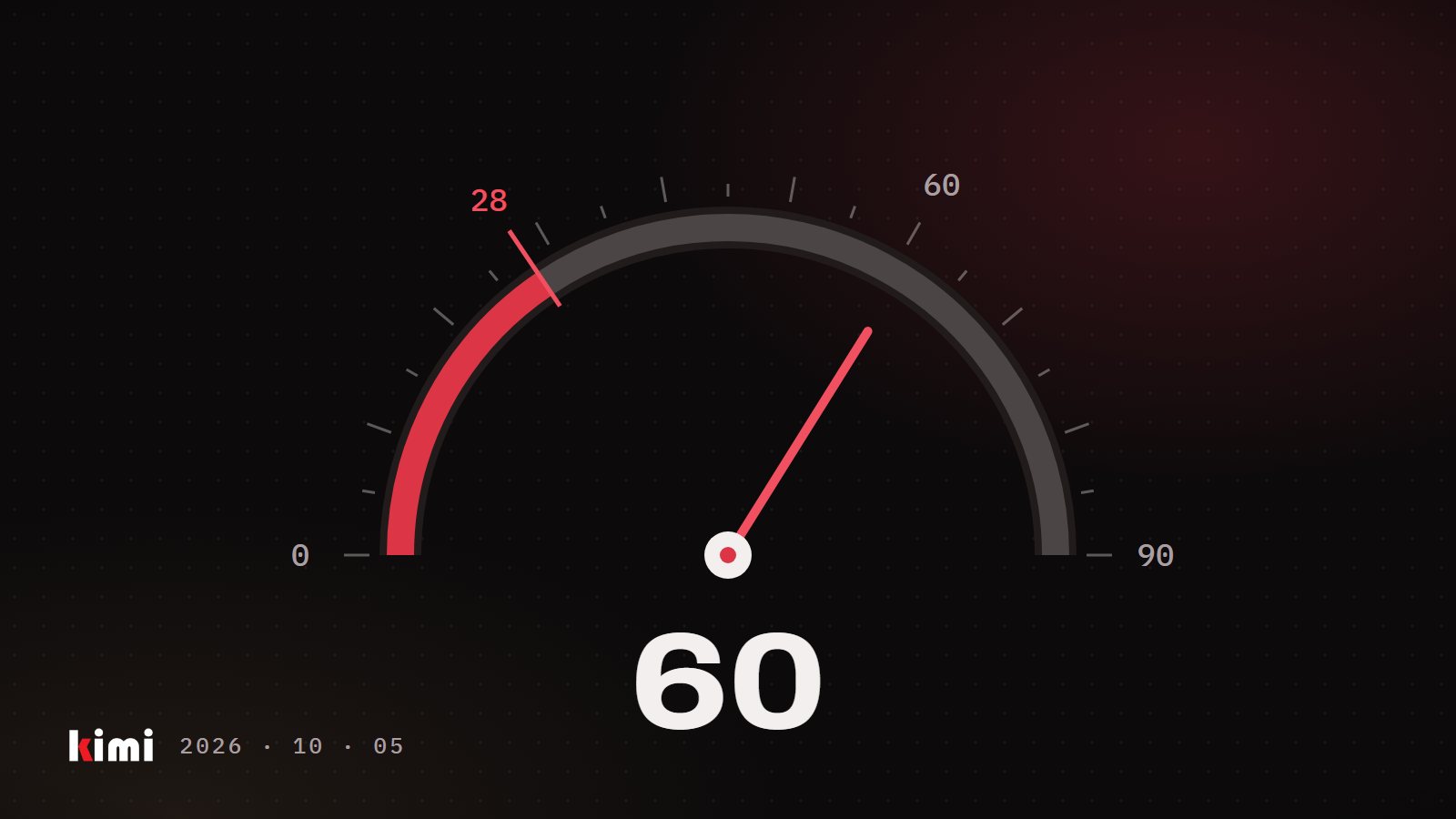
- Never returned. Amazon gives the buyer time. A customer return claim can only be filed between 60 and 120 days after the refund or replacement date. Since November 2024, Amazon says almost all customer return cases are reimbursed automatically, with no claim needed.
- Empty box or swapped item. In our experience, these are worth a claim with the order ID and what the ledger recorded at return. Outcomes vary from case to case.
Automatic does not mean guaranteed. Amazon itself says that if you don't receive an automatic reimbursement, you need to file a manual claim. That puts the checking on you.
The Inventory Ledger is your source of truth
The Inventory Ledger is Amazon's running record of every movement of your FBA units. You find it under Reports, then Fulfillment, then Inventory Ledger. It has a Summary view and a Detailed view. In the Detailed view, each event carries a transaction ID and a disposition, which is the condition Amazon recorded, such as sellable or unsellable.
Here is what we see running accounts: most brands open the Reimbursements report and stop there. That report shows what Amazon paid. It can't show what Amazon didn't pay. The ledger shows both sides.
So we reconcile it by SKU (your product code). Units received, minus units shipped to customers, plus customer returns, minus removals and adjustments, should land close to what Amazon says you have on hand. Reserved units explain small gaps. Large gaps are where unpaid losses hide. We also take real sales velocity from ledger shipments, because in our experience sales reports can disagree with what physically left the warehouse.
The Canadian twist: in our experience, a ledger pulled for Amazon.ca can also include rows from US warehouses. Check the location column and keep only Canada before you total anything. Skip that step and a Canadian stockout can look like healthy stock, or a US return can look like a Canadian one.
How to file a claim that gets paid
Amazon set fixed windows for manual claims. Fulfillment center losses: no later than 60 days after the unit was reported lost or damaged. Customer returns: 60 to 120 days after the refund. Removals lost in transit: 15 to 75 days after the removal shipment was created. Miss the window and the money is gone.
Filing too early also hurts. Amazon's policy warns that premature or poorly researched requests, or a large number of requests in a short time, can delay support on your cases or lead to account action. In our experience, a claim works best when it ties to one ledger transaction ID, asks only for the units that line supports, and includes your supplier invoice showing the unit cost. If you disagree with the amount paid, you can dispute it through Seller Central within 60 days of the reimbursement.
Return abuse is partly out of your hands. Whether you get paid for what Amazon owes you is not. The refund shows up on its own. The reimbursement often does too, but only the ledger tells you when it didn't. Reconcile it every month, keep your costs current, and file inside the window.